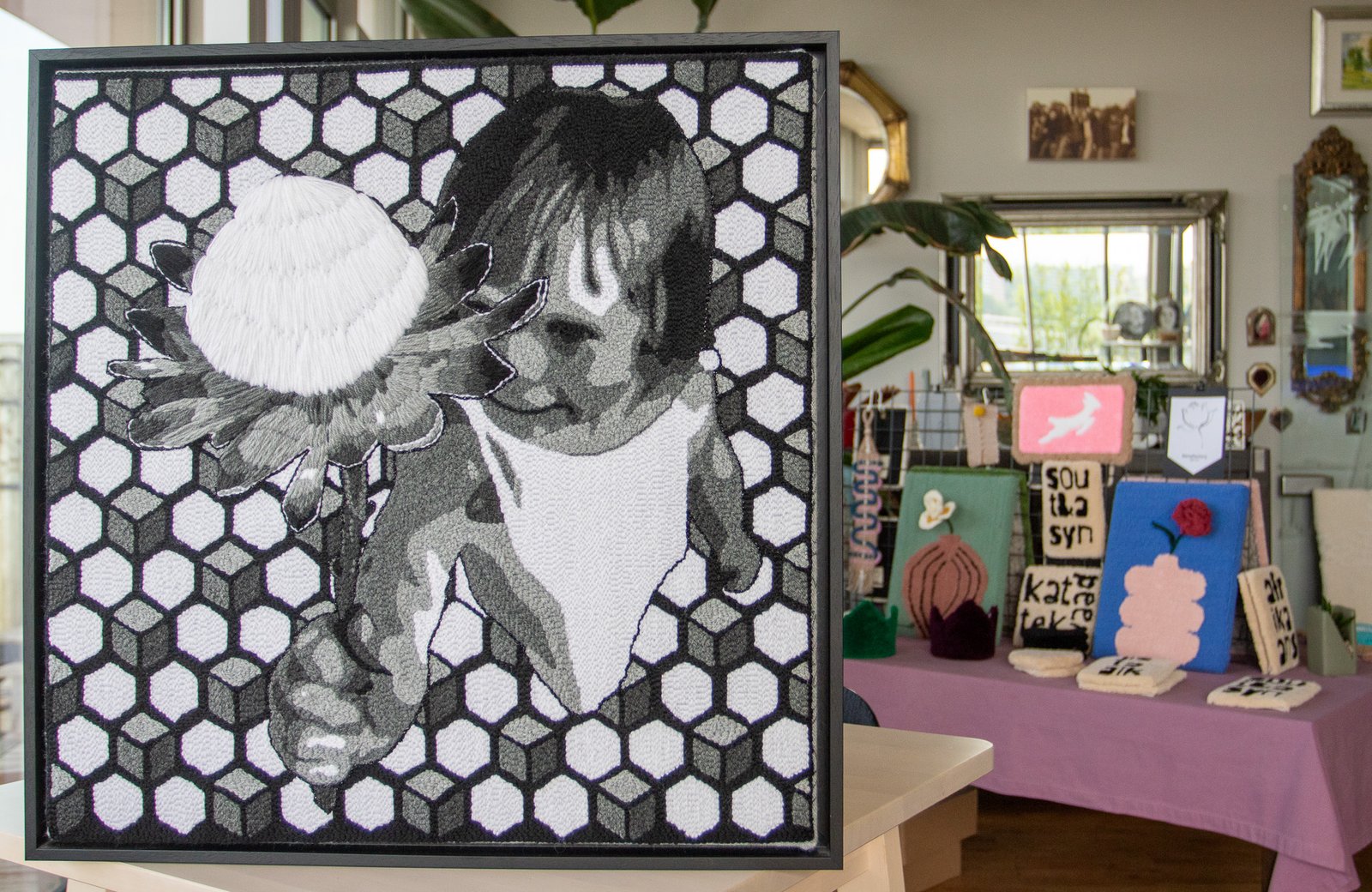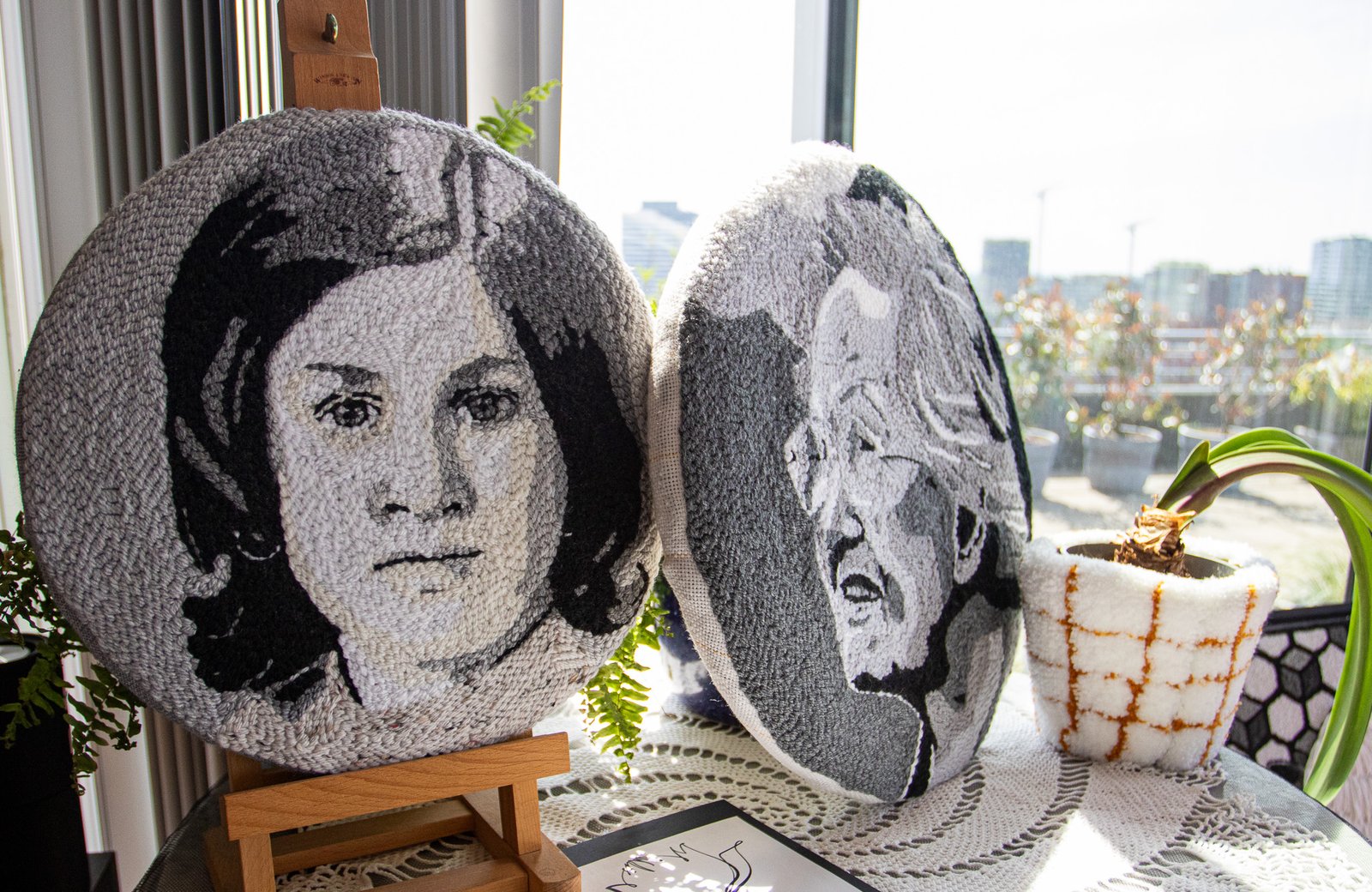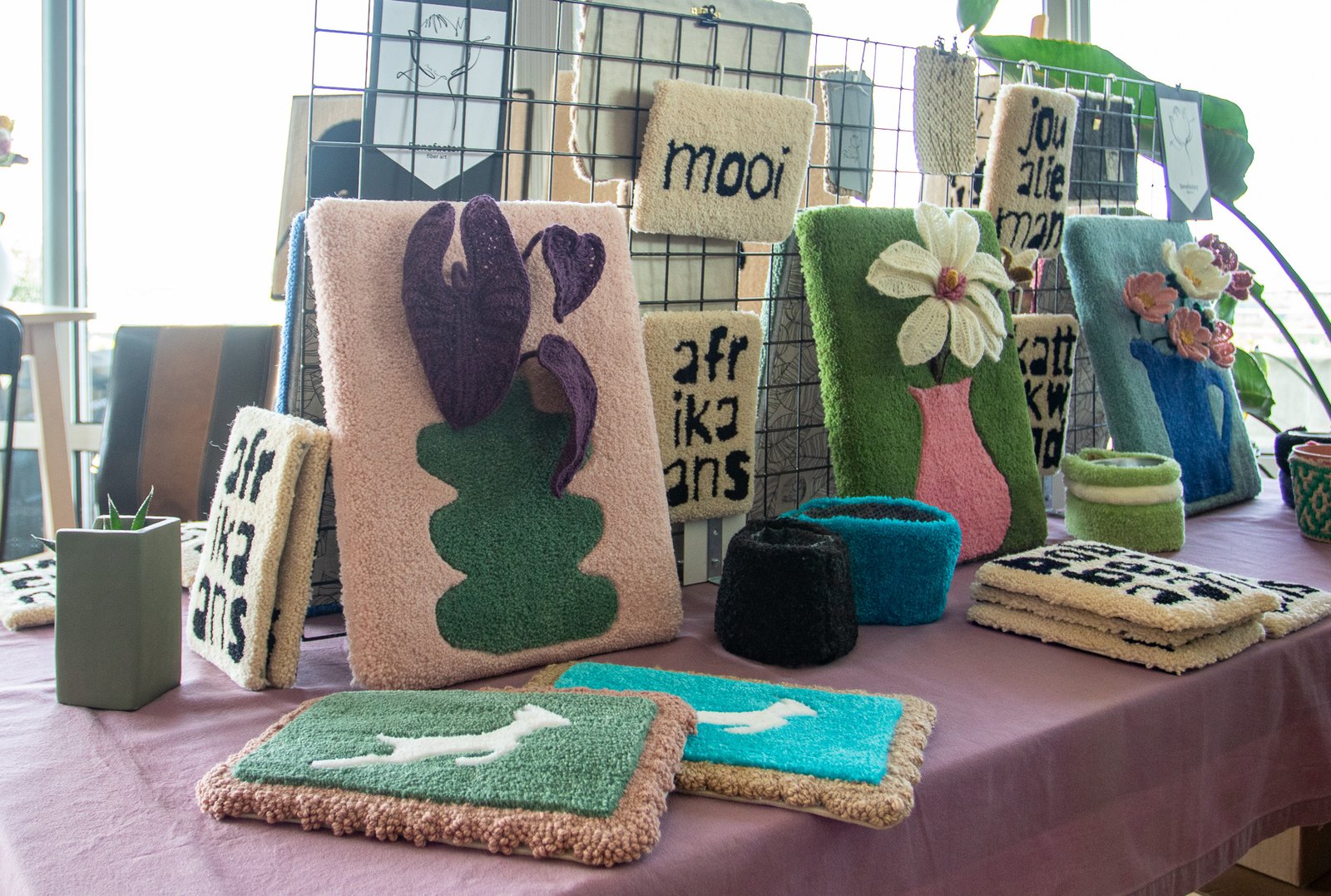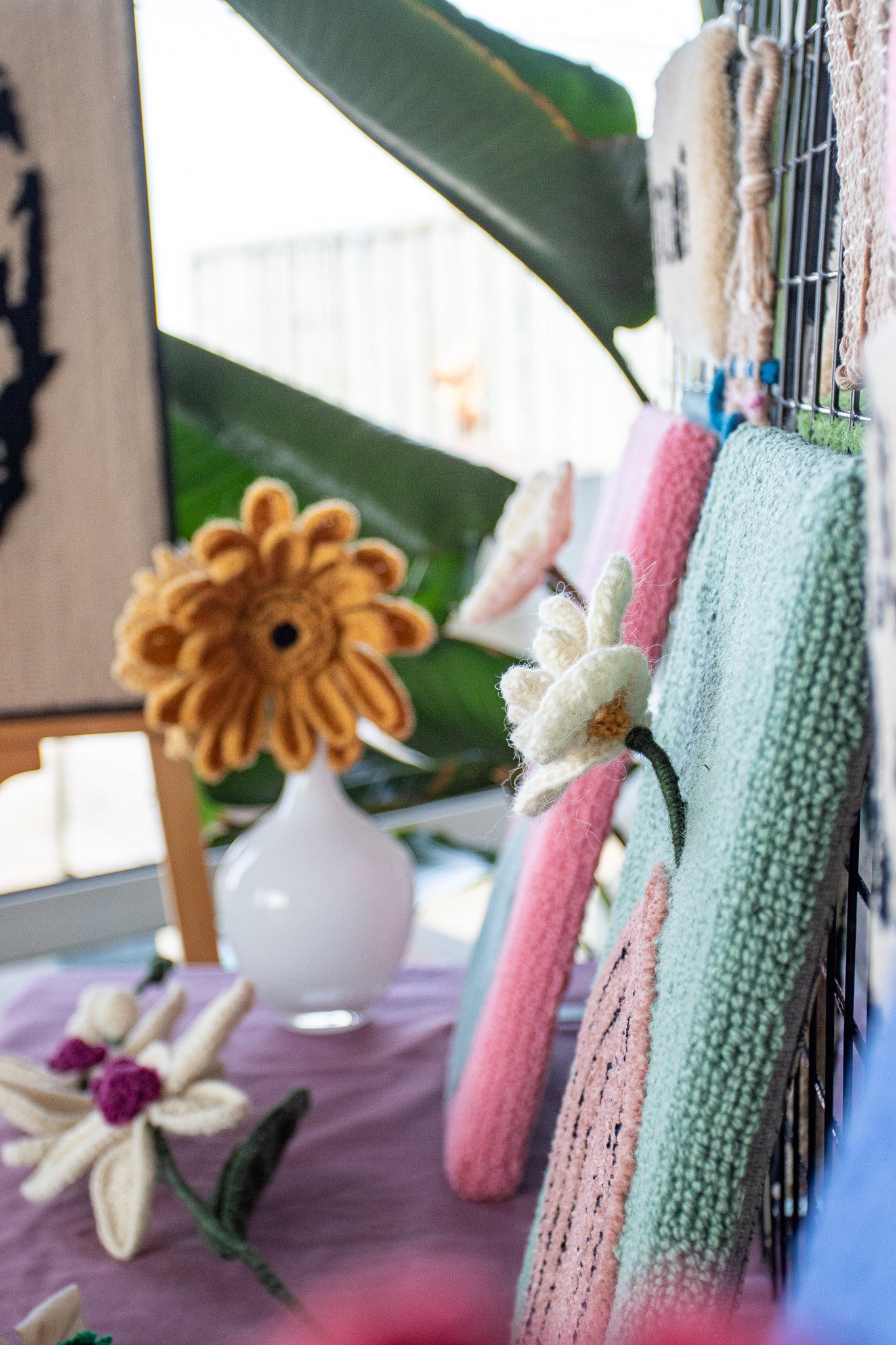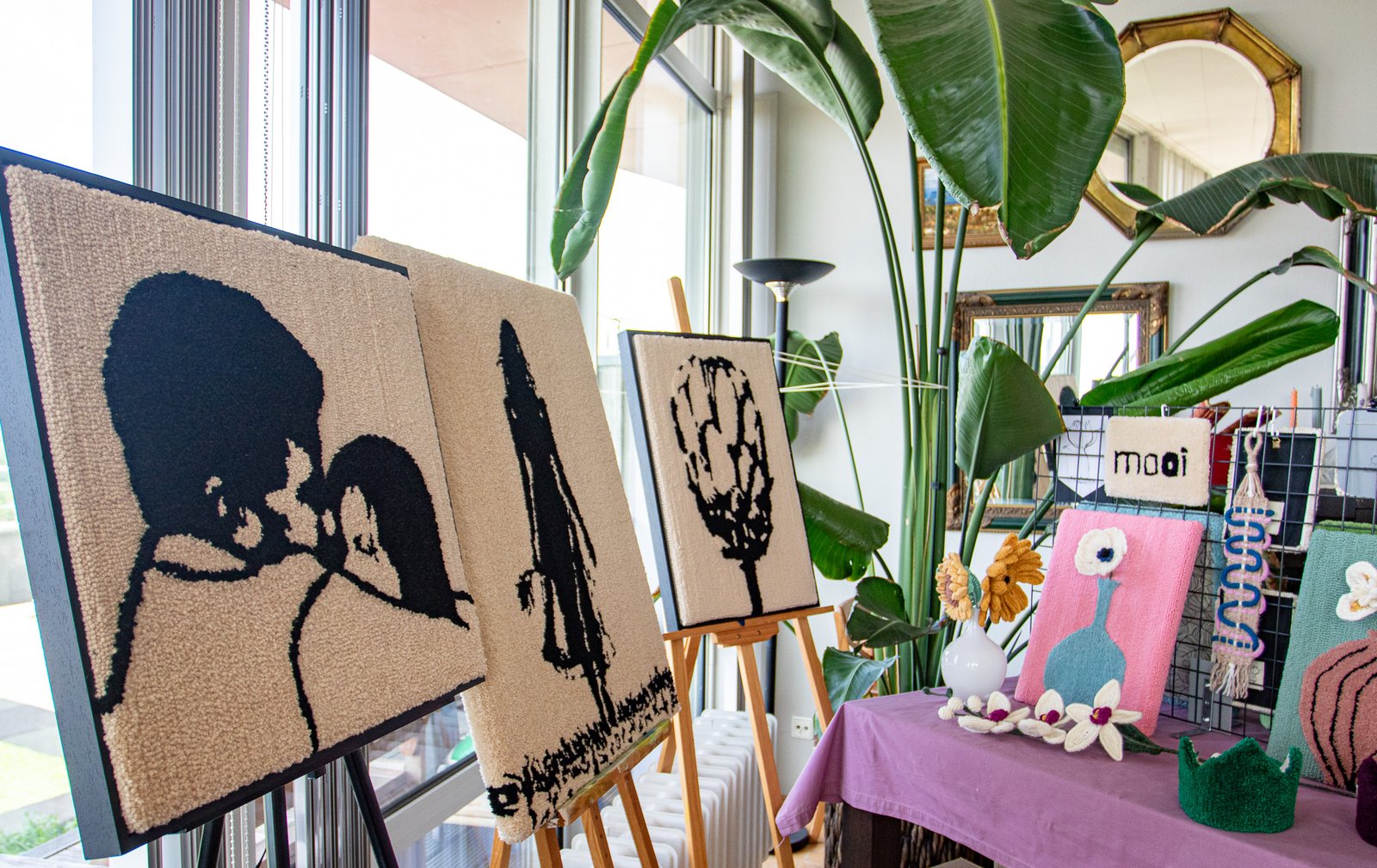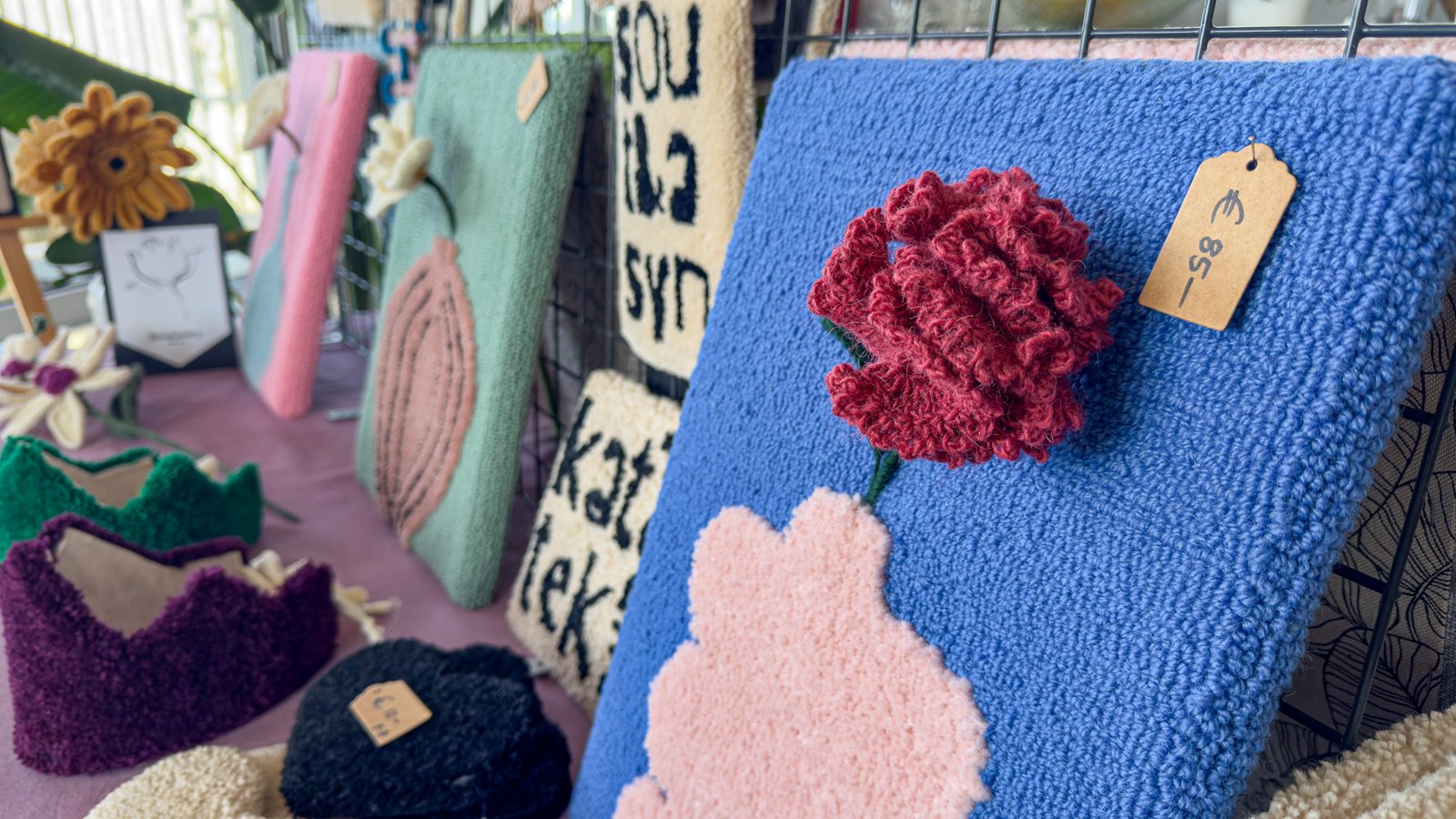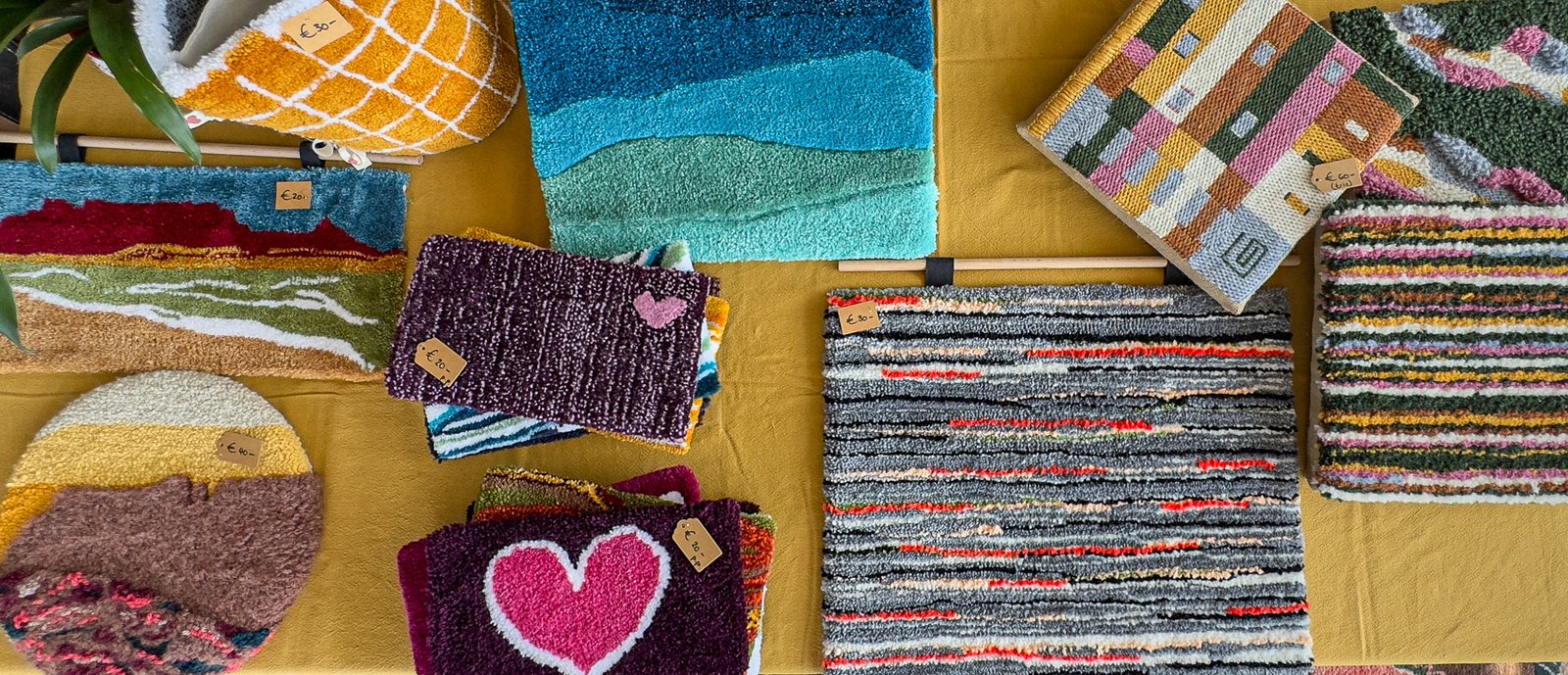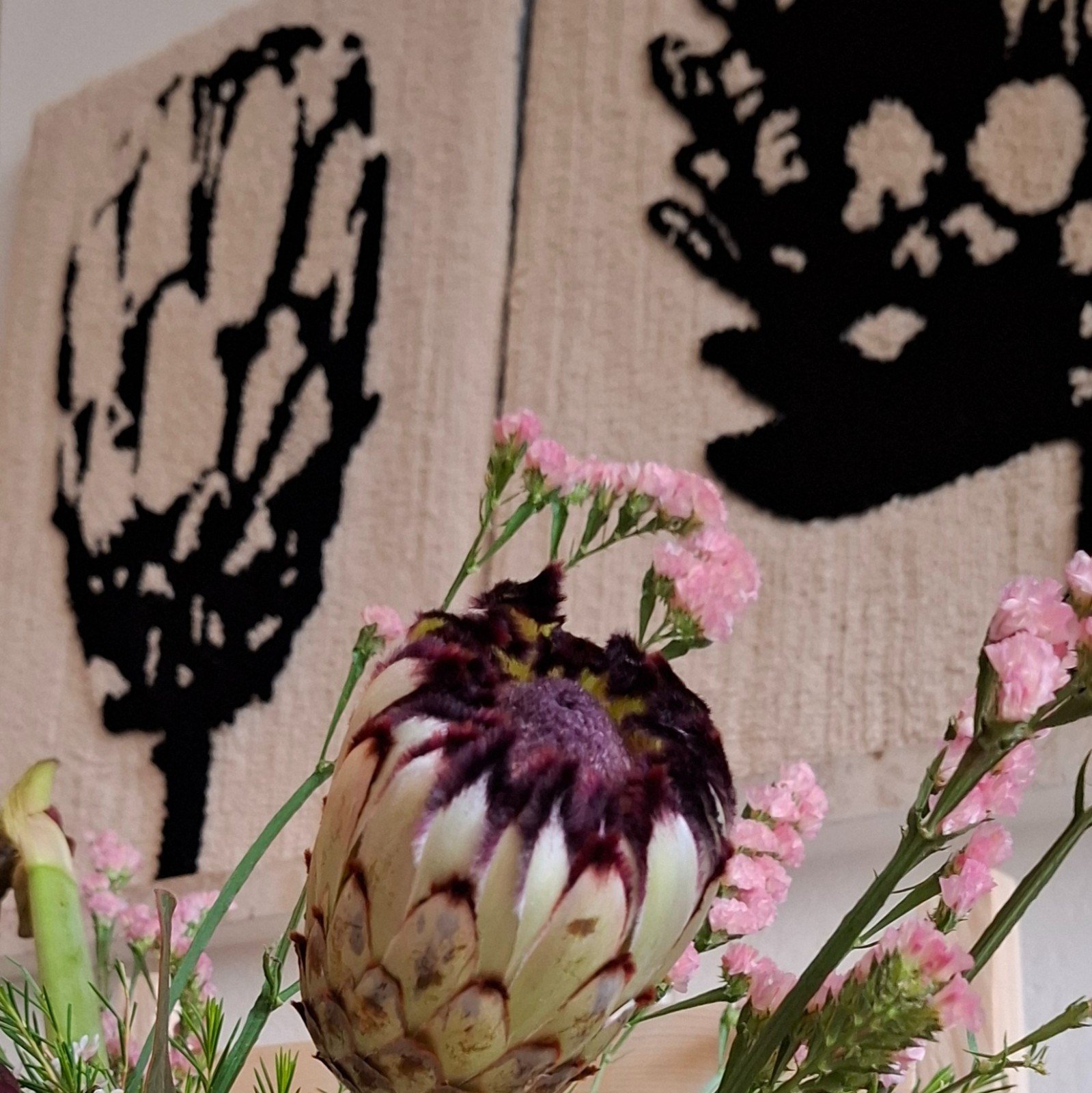
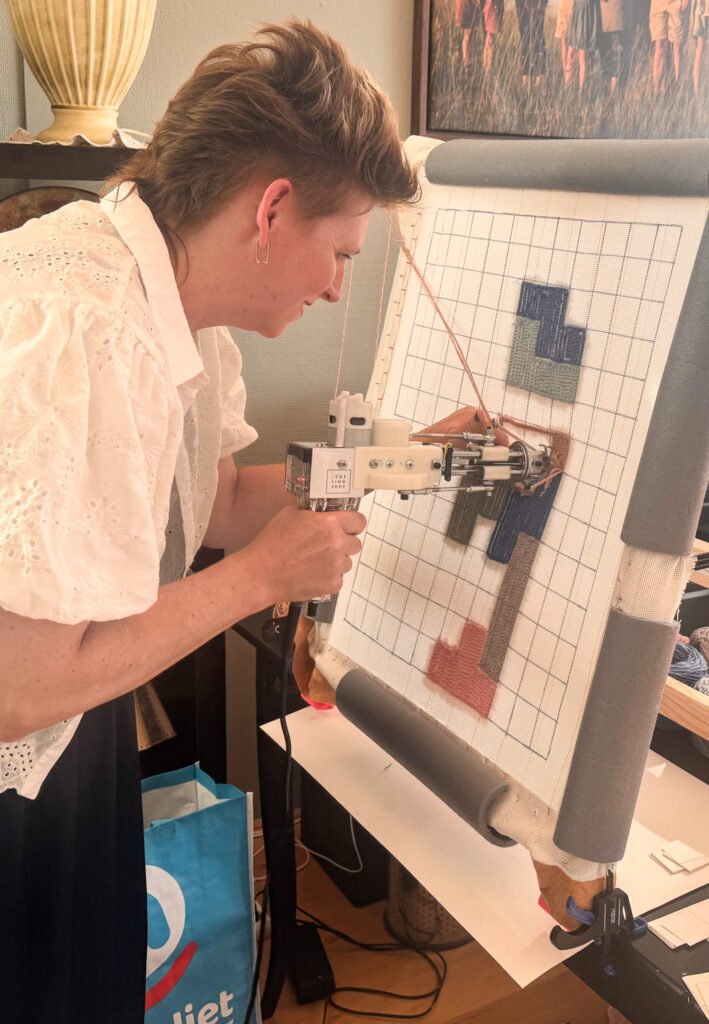
Welcome to the wonderful world of tufting! If you’ve ever admired those plush, textured rugs, wall hangings, or cushions and wondered how they’re made, you’re about to discover the addictive craft behind these beautiful textile creations.
What is Tufting?
Tufting is a textile technique where yarn is pushed through a backing fabric to create patterns and designs. Unlike traditional weaving or knitting, tufting creates a pile surface, giving the finished piece a soft, three-dimensional quality. The process can be done by hand using a tufting gun or with a tufting machine for larger projects.
Getting Started with Tufting
Essential Tools and Materials
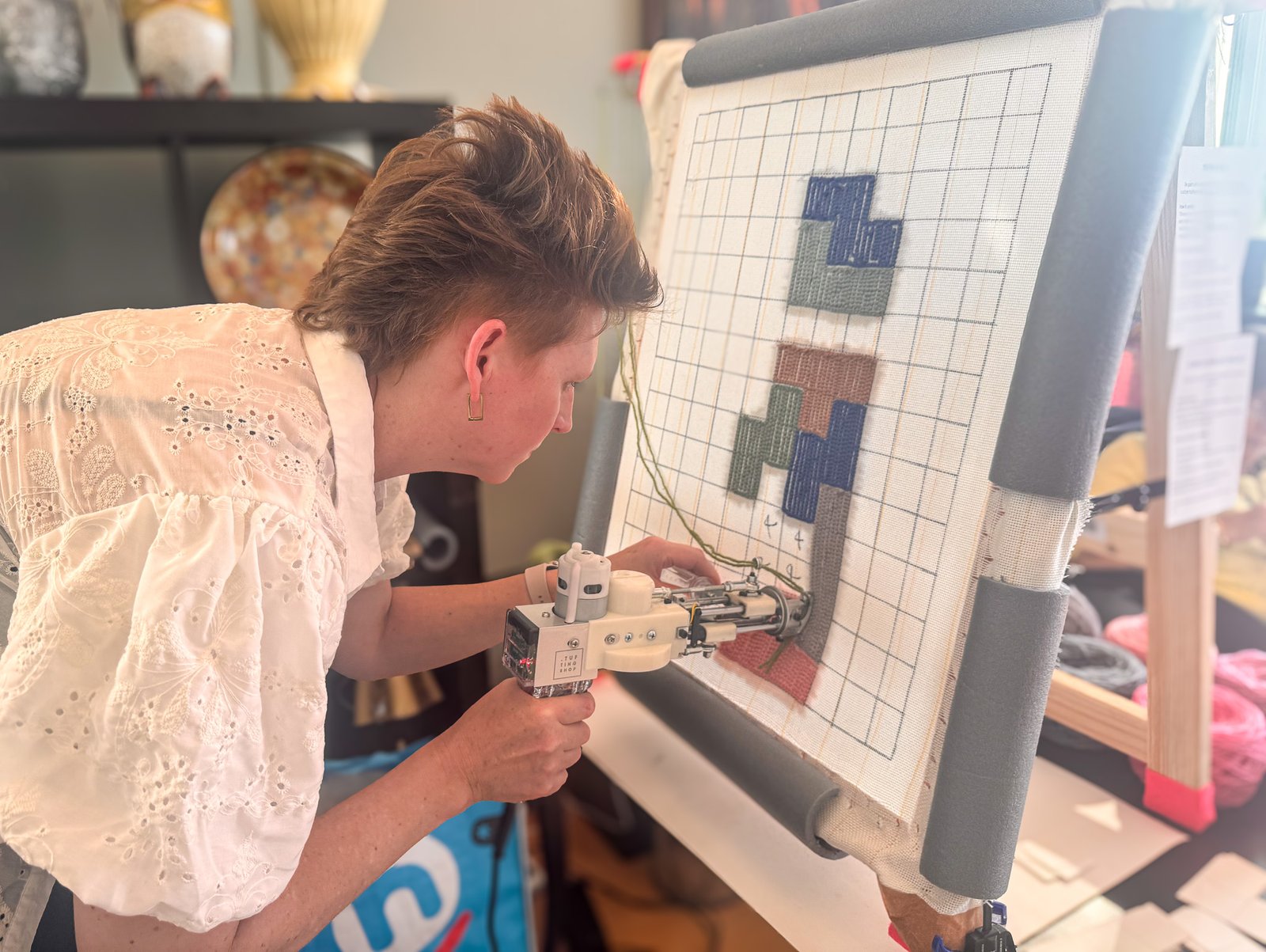
- Tufting Gun: The primary tool for modern tufting, available in cut pile or loop pile versions (or both if you get a combo gun)
- Tufting Frame: A sturdy frame to hold your backing fabric taut
- Primary Backing Fabric: Usually monk’s cloth or tufting cloth that can withstand the pressure of the gun
- Yarn: Acrylic, wool, or cotton yarn works well for tufting projects
- Scissors: For trimming and shaping your finished piece
- Backing Glue: To secure your tufts in place
- Secondary Backing: Typically fabric or felt to cover the back of your project
Setting Up Your Workspace
Tufting requires space, so clear an area where you can set up your frame. Ensure you have good lighting and a power source for your tufting gun. Many tufters create a dedicated space in a spare room, garage, or basement.
The Tufting Process
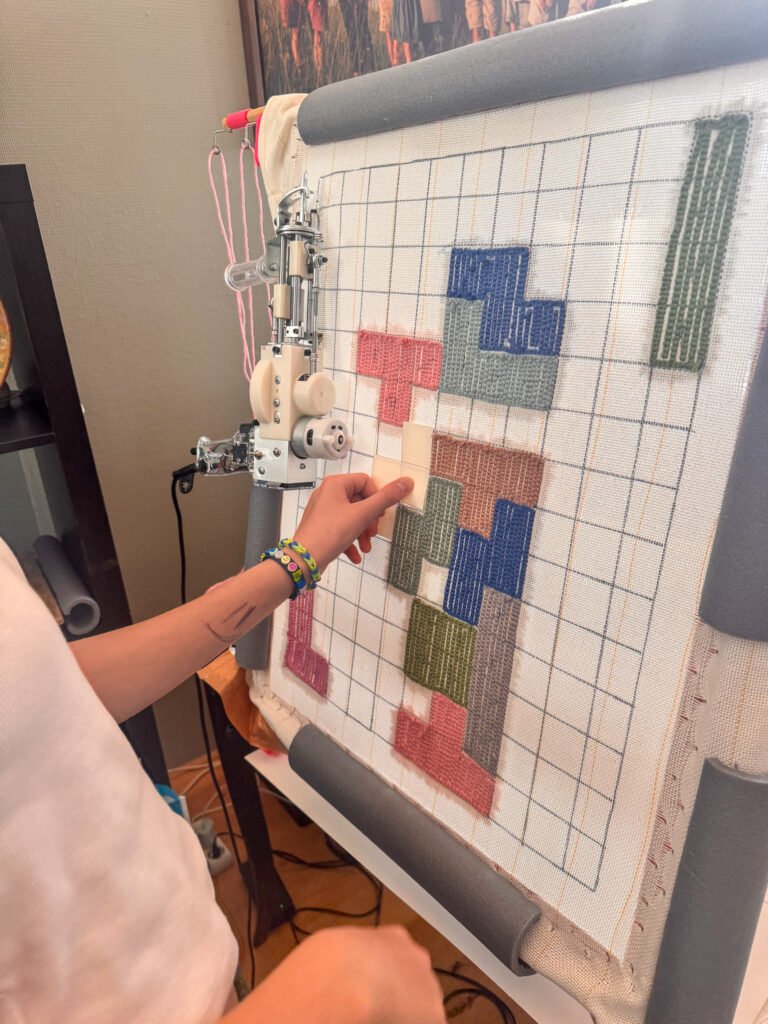
Step 1: Design Your Pattern
Before you begin tufting, create or select a design. You can draw directly onto your backing fabric or project an image onto it. Keep your designs simple when you’re first starting out.
Step 2: Prepare Your Frame
Stretch your backing fabric across your frame, ensuring it’s drum-tight. Any slack will affect the quality of your tufting.
Step 3: Thread Your Gun
Feed your chosen yarn through the tufting gun according to the manufacturer’s instructions. Different guns may have slightly different threading methods.
Step 4: Start Tufting
Begin tufting by pressing the gun against the fabric and moving it in the direction of your design. The gun will push yarn through the fabric, creating loops or cut pile depending on your gun type.
Step 5: Finish Your Project
Once you’ve completed your design, apply backing glue to secure the tufts. After the glue dries, attach a secondary backing, trim any excess fabric, and add finishing touches like binding the edges.
Common Tufting Techniques
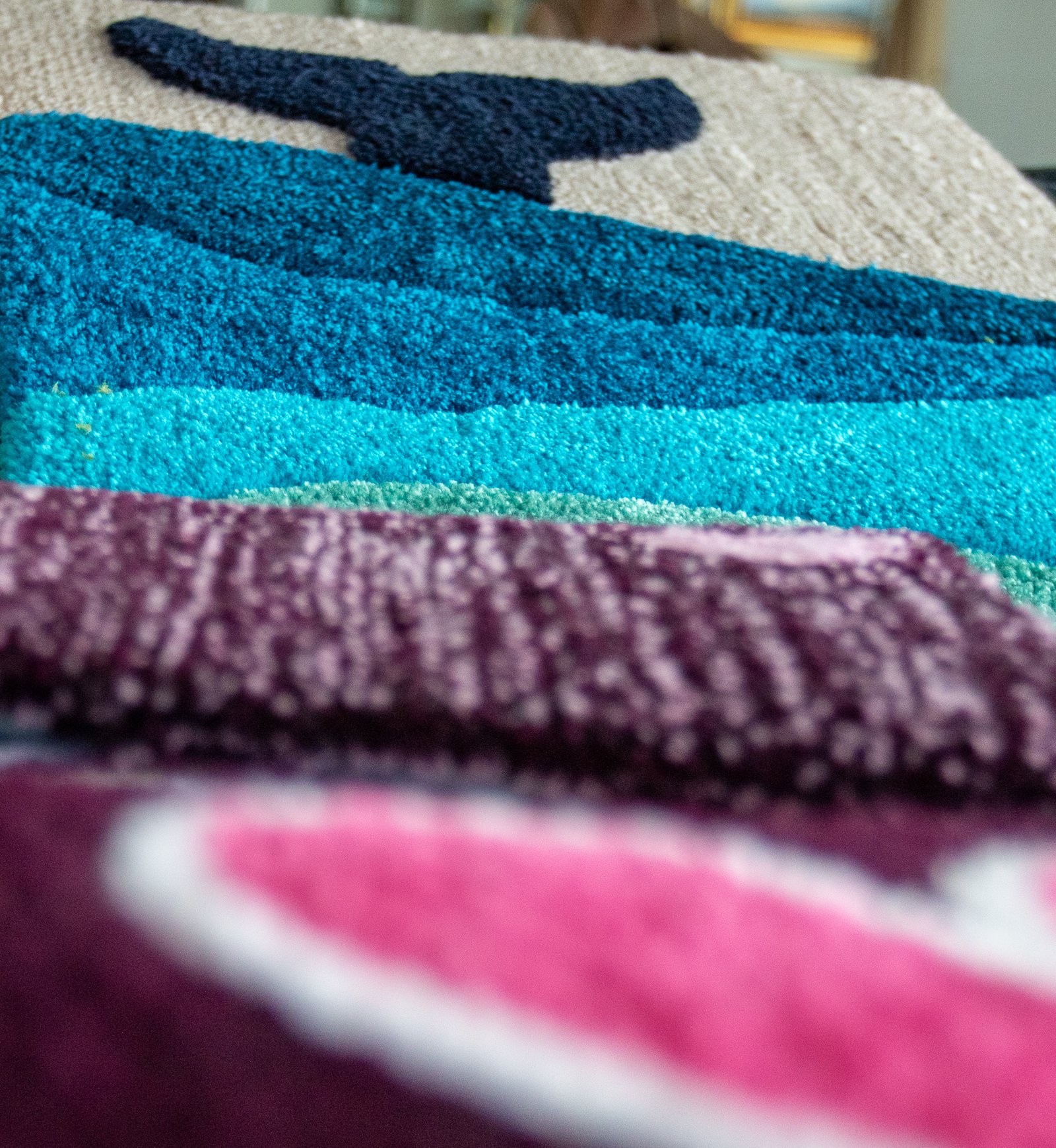
- Cut Pile: Creates a plush, carpet-like surface
- Loop Pile: Creates raised loops for texture and dimension
- Carving: Trimming the pile at different heights to create depth
- Color Blending: Using multiple yarn strands together for unique color effects
Popular Tufting Projects
- Rugs and carpets
- Wall hangings and tapestries
- Cushions and pillows
- Coasters and trivets
- Pet beds
Tips for Tufting Success
- Start with simple designs and gradually work up to more complex patterns
- Maintain consistent pressure on your tufting gun for even results
- Keep your backing fabric very tight on your frame
- Practice different yarn combinations to discover interesting texture effects
- Join online tufting communities for support and inspiration
The Business of Tufting
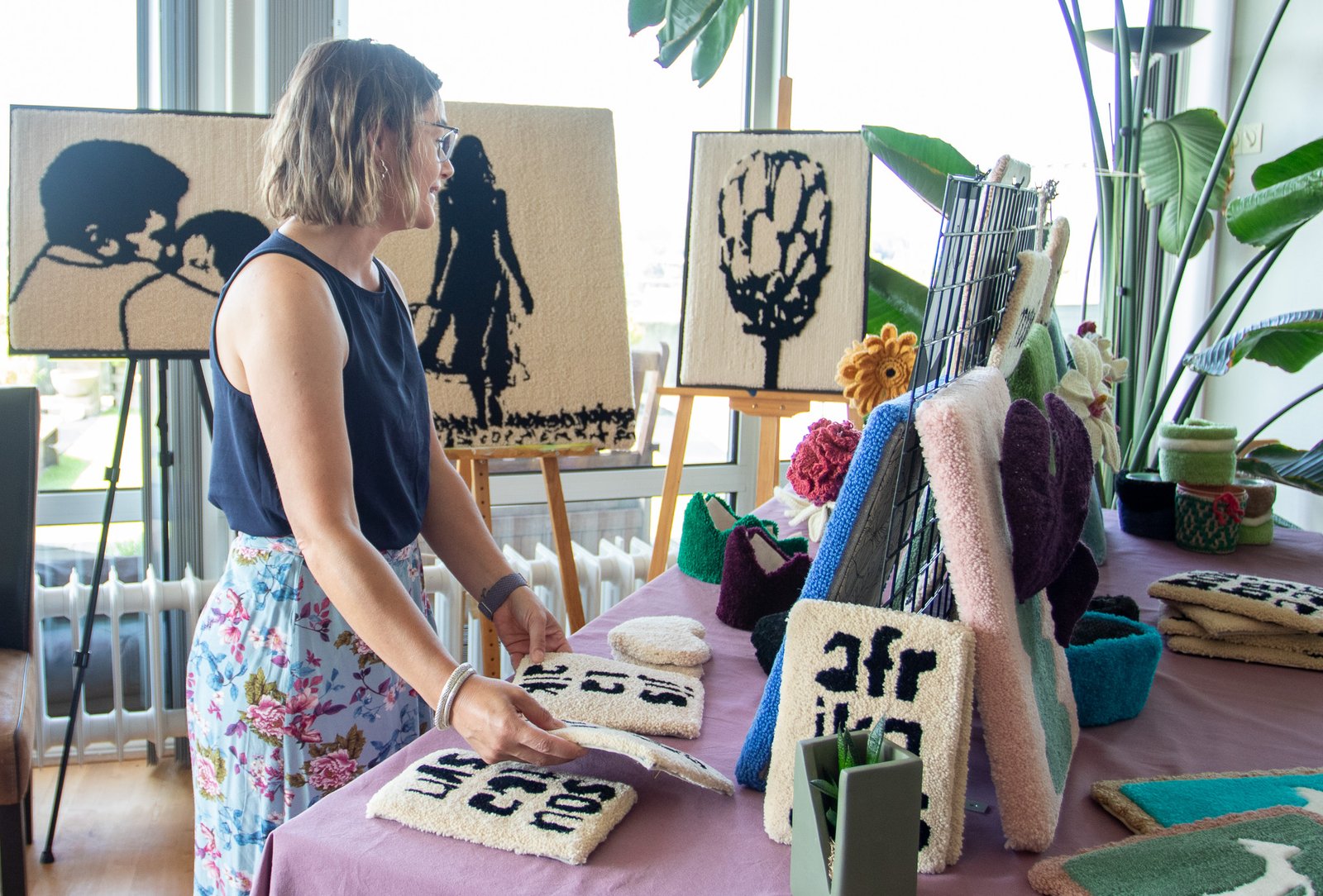
Many tufting enthusiasts have turned their hobby into successful businesses, selling custom rugs, wall art, and other tufted creations. With the rise of handmade marketplaces like Etsy and the popularity of unique home decor, there’s a growing market for handcrafted tufted items.
Conclusion
Tufting is an incredibly rewarding craft that combines artistic expression with textile techniques. While there’s a learning curve and an initial investment in equipment, the satisfaction of creating beautiful, tactile pieces makes it all worthwhile. Whether you’re looking for a new creative outlet or considering a craft-based business, tufting offers endless possibilities for exploration and growth.
Happy tufting!